



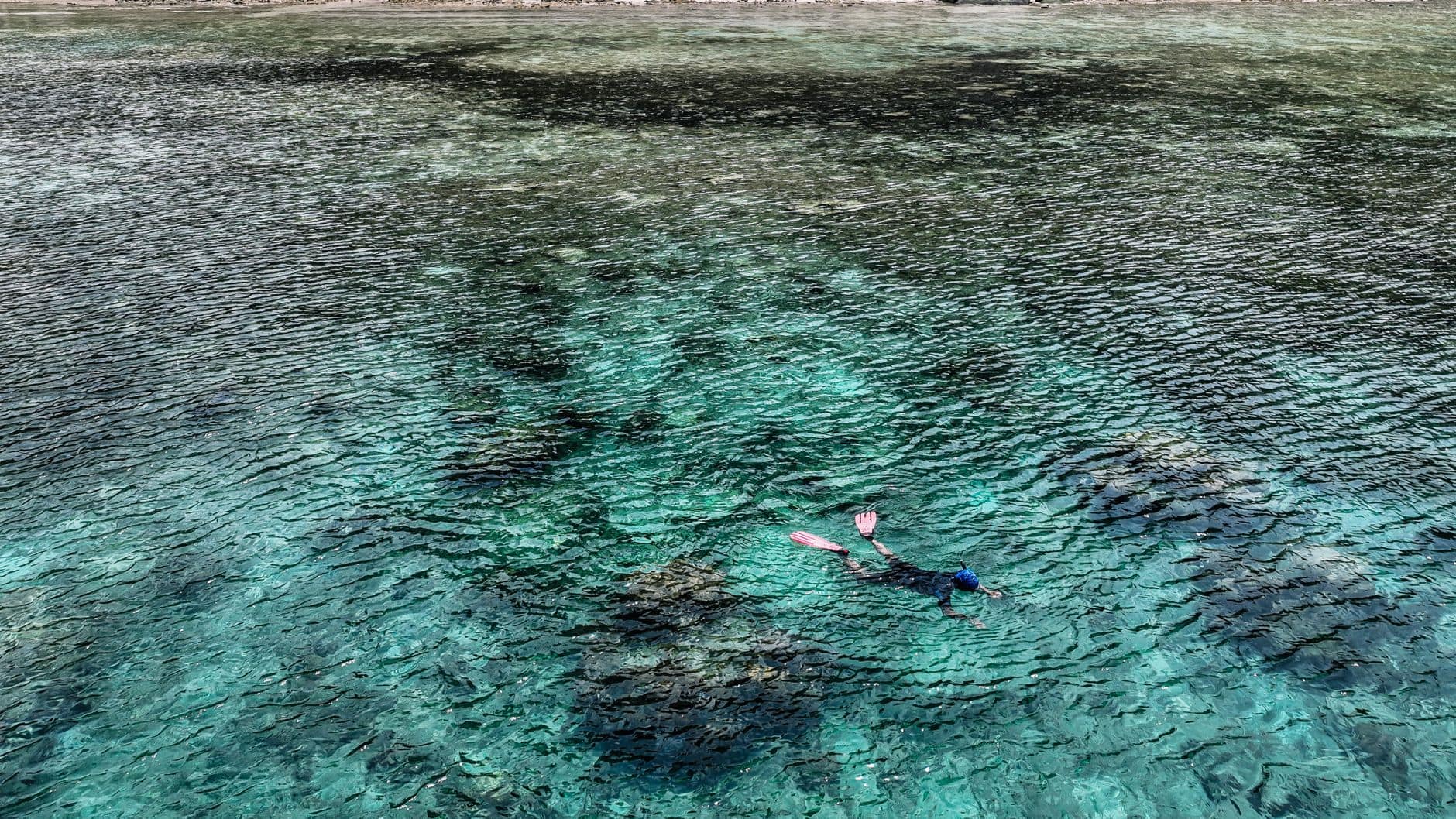
🌟 What makes the Blue Lagoon Snorkeling worth your time
Blue Lagoon is a smart fit when you want marine content but do not need the scale and harbor complexity of a Penida expedition.
Blue Lagoon in Padang Bai is one of Bali's best mainland snorkeling spots — a sheltered bay with calm, clear water and a sandy bottom that makes it ideal for beginners and families.
The route covers Padang Bai and Blue Lagoon and is designed for beginners, couples, and mixed groups. Most travelers find the Half day to full day pacing comfortable without feeling rushed.
⭐ Route highlights at a glance
Here are the standout moments that travelers consistently mention after completing the Blue Lagoon Snorkeling.
- Beginner-friendly feel — A softer entry point into Bali snorkeling than some of the bigger sea routes.
- Good reef visuals — Strong underwater color and clean tropical-water appeal.
- Shorter and easier logistics — A practical marine option when you do not want a full remote-island operation.
- Works for mixed groups — An easy product for couples, families, and friends with different comfort levels.
🗺️ How the day unfolds — step by step
Understanding the flow of the day helps you pack the right gear and set realistic expectations. Here is the typical itinerary for the Blue Lagoon Snorkeling.
- Pickup and transfer to the departure point — Travel from your hotel to the snorkeling base with the equipment and route timing already coordinated.
- Snorkeling session — Spend the main part of the trip on the water with the crew and the core reef stops.
- Refresh and return — Wrap up the day with a transfer back once the marine part is complete.
💡 Insider tips and local knowledge
These details are the kind of thing your guide might mention in passing — but knowing them in advance helps you plan a better day.
- Blue Lagoon is near Padang Bai port in east Bali — about 1.5 hours drive from Ubud or south Bali.
- The snorkeling area is sheltered and shallow (2–8 m), making it one of the safest ocean snorkeling spots in Bali.
- Expect to see colorful coral, parrotfish, clownfish, sea turtles, and sometimes reef sharks in deeper sections.
- Most tours include 2–3 snorkeling spots: Blue Lagoon, Tanjung Jepun, and sometimes Bias Tugel beach.
- Equipment (mask, snorkel, fins, life jacket) is included. An experienced guide accompanies you in the water.
🎒 Best time to visit and what to bring
Best months to visit: April–November for calmest seas; water temperature is 27–29 °C year-round.
What to bring: Swimwear, reef-safe sunscreen, towel, underwater camera, and light clothing for the boat ride.
⚖️ How this compares to similar Bali tours
Blue Lagoon is the mainland alternative to Nusa Penida snorkeling — calmer water, shorter travel time, and better for beginners. Nusa Penida offers manta rays and more dramatic marine life but requires a 45-minute boat crossing.
When deciding between Bali experiences, consider what matters most to you: the Blue Lagoon Snorkeling is specifically designed around Padang Bai and Blue Lagoon and works best when you want snorkeling trip.
📋 Practical details and good to know
Before you book, here are the logistics that shape the experience.
- Duration: Half day to full day
- Format: Snorkeling trip
- Area: Padang Bai and Blue Lagoon
- Pickup: Morning hotel pickup
- Pricing: Ask price
- This experience usually runs as a snorkeling trip.
- Best fit: beginners, couples, and mixed groups.
- Sea conditions and harbor timing can affect the exact flow of the day.
- Send your hotel area before booking so the route and timing can be matched properly.
Frequently Asked Questions
Is Blue Lagoon snorkeling suitable for kids?
Yes — the sheltered bay has calm, shallow water (2–8 m) and is one of Bali's most family-friendly snorkeling spots. Life jackets are provided.
What marine life can I see at Blue Lagoon?
Colorful reef fish (parrotfish, clownfish, angelfish), sea turtles, and healthy coral formations. Occasionally small reef sharks in deeper areas.
How does Blue Lagoon compare to Nusa Penida snorkeling?
Blue Lagoon is calmer, closer to mainland Bali, and ideal for beginners. Nusa Penida offers manta rays and more dramatic underwater scenery but requires a longer boat crossing.