



🌟 What makes the Bali UNESCO Heritage Sites Tour worth your time
The route works well because it stays scenic and varied without turning physically heavy. You begin with royal-temple architecture at Taman Ayun, continue into the cooler Bedugul highlands for Ulun Danu Beratan, open into the wide UNESCO-listed Jatiluwih terraces, and finish at Tanah Lot for one of Bali's most recognizable oceanfront temple settings.
Bali's UNESCO Cultural Landscape (inscribed 2012) protects the Subak irrigation system — a 1,000-year-old cooperative water management tradition that shapes the island's rice terraces. Understanding Subak transforms temple visits from photo ops into cultural encounters.
The route covers West & Central Bali UNESCO route and is designed for culture lovers, couples, families, and first-time bali sightseeing days. Most travelers find the 10 hours pacing comfortable without feeling rushed.
⭐ Route highlights at a glance
Here are the standout moments that travelers consistently mention after completing the Bali UNESCO Heritage Sites Tour.
- Taman Ayun Temple — Start with one of Bali's most elegant royal temple complexes and a calm cultural stop that sets the tone for the day.
- Ulun Danu Beratan — The mountain-lake setting in Bedugul gives the route cooler air, softer light, and one of Bali's most iconic temple backdrops.
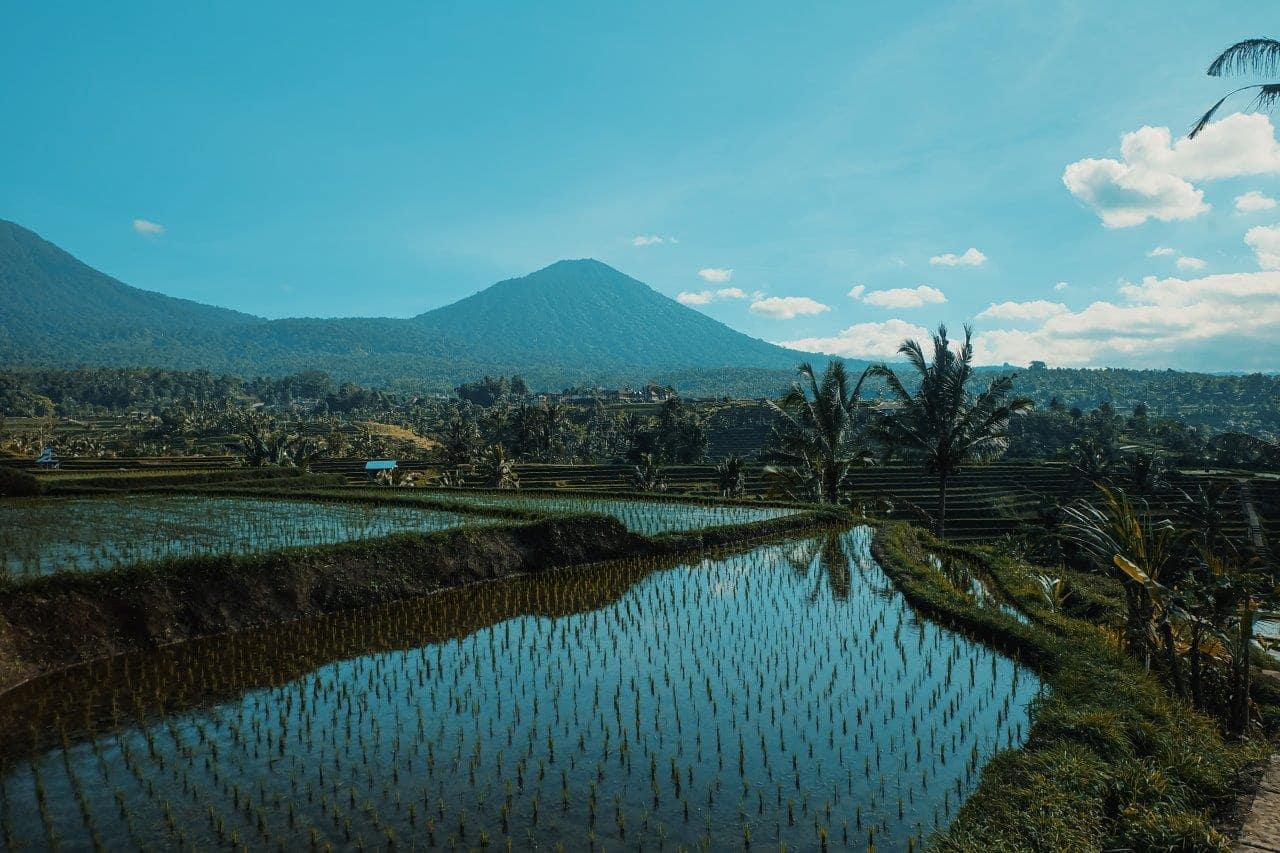
- Jatiluwih Rice Terraces — Add the UNESCO-listed rice terrace landscape that makes this route feel broader and more visually complete than a temple-only day.
- Tanah Lot coastal finish — Close with Bali's famous sea temple and a sunset-friendly coastal atmosphere that gives the last part of the day real payoff.
🗺️ How the day unfolds — step by step
Understanding the flow of the day helps you pack the right gear and set realistic expectations. Here is the typical itinerary for the Bali UNESCO Heritage Sites Tour.
- Morning pickup and Taman Ayun Temple — Begin with hotel pickup from the main south and central Bali areas, then head first to Taman Ayun Temple for the opening cultural stop.
- Ulun Danu Beratan in Bedugul — Continue into the cooler highlands for Ulun Danu Beratan, where temple scenery, lake views, and mountain air break up the route beautifully.
- Jatiluwih Rice Terraces — Drive onward to Jatiluwih for Bali's UNESCO rice terrace landscape, broad green views, and the optional lunch window with Mount Batukaru scenery nearby.
- Tanah Lot and return transfer — Finish the day at Tanah Lot before the return drive back to your hotel, with timing adjusted around traffic and the best available light.
💡 Insider tips and local knowledge
These details are the kind of thing your guide might mention in passing — but knowing them in advance helps you plan a better day.
- Tirta Empul Temple is famous for its holy spring water purification ritual. Visitors can participate — wear modest clothing (sarong provided) and follow the guide's instructions for the blessing sequence.
- Jatiluwih Rice Terraces are a UNESCO World Heritage Site covering 600+ hectares. The walking paths range from 30 minutes to 2 hours depending on your route.
- Taman Ayun Royal Temple in Mengwi features classic Balinese multi-tiered shrines (merus) surrounded by a moat. Entrance is IDR 50,000 (≈ $3).
- Gunung Kawi is accessed via 300+ steps down to a river valley with 9th-century rock-cut shrines. Start early to avoid crowds and heat.
- Temple etiquette: remove hats inside, do not point feet at shrines, avoid standing higher than offerings, and do not touch sacred objects.
🎒 Best time to visit and what to bring
Best months to visit: April–October for dry weather; mornings are best for cooler temperatures at temple sites.
What to bring: Sarong and sash for all temple entries, comfortable walking shoes (some sites have uneven stone paths), water, sunscreen, and a hat.
⚖️ How this compares to similar Bali tours
This tour focuses specifically on UNESCO-recognized heritage sites and the Subak cultural landscape. It is more culturally focused than the Ubud Highlights tour, which balances temples with rice terraces, craft villages, and Ubud town.
When deciding between Bali experiences, consider what matters most to you: the Bali UNESCO Heritage Sites Tour is specifically designed around West & Central Bali UNESCO route and works best when you want private heritage sightseeing route.
📋 Practical details and good to know
Before you book, here are the logistics that shape the experience.
- Duration: 10 hours
- Format: Private heritage sightseeing route
- Area: West & Central Bali UNESCO route
- Pickup: Morning hotel pickup from Ubud, Sanur, Seminyak, Canggu, Legian, Kuta, Nusa Dua, or Jimbaran
- Pricing: From $70
- Lunch, personal expenses, and additional services are not included in the standard price.
- The covered pickup areas listed by the source are Ubud, Sanur, Seminyak, Canggu, Legian, Kuta, Nusa Dua, and Jimbaran.
- Bring a camera, cash money, sunglasses, comfortable footwear for temple and terrace walks, and an optional light layer for the cooler Bedugul section.
- This is presented as a private sightseeing route rather than a shared group format because the source lists a private air-conditioned vehicle.
- The day is comfortable for most travelers, but like any Bali sightseeing route, exact timing can shift with traffic and weather.
- For a full refund, the source says cancellation should be made at least 3 days before the experience start date.
Frequently Asked Questions
What is the Bali UNESCO Cultural Landscape?
Inscribed in 2012, it protects the Subak system — a 1,000-year-old Balinese cooperative irrigation network linked to Hindu water temples. It includes Jatiluwih rice terraces, Taman Ayun Temple, and several holy water temples.
Can I do the purification ritual at Tirta Empul?
Yes, visitors can participate in the melukat (purification) ritual at Tirta Empul. Wear the provided sarong, follow the sequence of fountains as directed, and maintain respectful silence during the ritual.
How much walking is involved in the UNESCO tour?
Moderate walking at each site. Gunung Kawi has 300+ steps. Jatiluwih rice terrace walks range from 30 minutes to 2 hours. Other temples have flat grounds.
Is this tour different from the Ubud Highlights tour?
Yes — the UNESCO tour focuses on heritage sites and cultural depth, while the Ubud Highlights tour is a broader introduction to central Bali including craft villages, Monkey Forest, and a volcano lunch.