



Canggu's beaches, south to north
 #1
#1
Batu Bolong (Old Man's)
The beach everyone means when they say Canggu. A slow, forgiving wave over a rock and reef bottom, a temple sitting on the black outcrop at the north end, and a lineup that can hold two hundred people on a good morning. Best before 8am. At low tide the reef is close, so wear booties and expect to walk out over rock.
 #2
#2
Echo Beach (Pantai Batu Mejan)
A left and a right over shallow reef, faster and far less forgiving than Batu Bolong. If you cannot yet turn a board, watch instead of paddling out. The seawall above the sand is lined with bars that all face west, which makes this the easiest sunset seat in Canggu without booking anything. Bring cash.
 #3
#3
Berawa Beach
The widest sand in Canggu and the beach-club strip, which means loungers, music and a beach that stays busy until dark. The water is the same dark, churning west-coast ocean as everywhere else here. Most clubs charge a minimum spend rather than an entry fee, so ask what the bed actually costs before you sit down.
 #4
#4
Nelayan Beach
Squeezed between Berawa and Batu Bolong, with fishing outriggers pulled up on the sand and almost none of the noise. There is no strip of warungs and no lifeguard tower, which is exactly why it stays calm and exactly why you should not swim here alone. Good for a sunset walk, poor for a first swim.
 #5
#5
Pererenan Beach
North across the Perancak river, and the answer for everyone who thinks Canggu got too full. More space on the sand, a heavier beach and reef break that suits intermediates, and a short row of cafés behind the parking. It is not a secret any more, but at 7am you will still get a lot of beach to yourself.
 #6
#6
Seseh Beach
Long, dark and mostly empty, with a handful of warungs and almost no tourists. Balinese ceremonies are held on this stretch, cremations included, so if you walk into one, stay well back, keep the camera down and go around. The surf is inconsistent and the currents are strong. Come for the emptiness, not for a swim.
 #7
#7
Nyanyi Beach
The last beach before the Tanah Lot side, backed by rice fields instead of villas. Enormous at low tide, almost gone at high tide, and one of the strongest current sets on this coast. There is no lifeguard here at all. Worth the ride for photographs and a genuinely empty sunset, worth nothing as a swimming beach.
Set your expectations before you get there
The photos that sold you on Bali were almost certainly not taken in Canggu. This is the west coast, it faces the open Indian Ocean, and the sand is volcanic: dark grey when dry, close to black when wet. There is no reef lagoon holding the water still, so on most days the sea is moving, sandy, and roughly the colour of strong tea rather than turquoise.
That is not a defect. It is a different product, and knowing it in advance is the difference between a good week and a disappointed one. If bright blue water is the whole reason you came, drive south or get on a boat instead. Our clear-water beaches guide covers where that water actually is, and none of it is here.
What Canggu is genuinely good at:
- Learning to surf. Batu Bolong is one of the most forgiving beginner waves in Asia, with an entire industry built around it.
- Sunset. The beach faces due west with nothing between you and the horizon, so the sky does the work even on flat grey days.
- Walking. At low tide you can walk from Berawa to Echo Beach in about 40 minutes, past three separate breaks.
- Sitting down with a view. The density of warungs, bars and beach clubs facing the water is higher here than anywhere else on the island.
What it is not good at: swimming, snorkelling, calm shallows, and photos of you standing waist-deep in clear water. Accept that on day one and Canggu turns into one of the best stretches of coast in Bali. Turn up expecting Nusa Penida and you will spend a week feeling short-changed by a place that never promised you that.
Canggu beaches compared
Seven beaches, one coastline, seven different reasons to bother. Sunset is scored out of five and assumes a clear evening, so the difference between them is mostly how many people are standing in front of you.
| Beach | Best for | Surf level | Crowd | Sunset |
|---|---|---|---|---|
| Batu Bolong | First surf lesson | Beginner | Very high | 4/5 |
| Echo Beach | Sunset drinks, watching surf | Intermediate to advanced | High | 5/5 |
| Berawa | Beach clubs and day beds | Intermediate | High | 4/5 |
| Nelayan | A quiet walk | Not a surf beach | Low | 4/5 |
| Pererenan | Space, cafés, fewer learners | Intermediate | Medium | 4/5 |
| Seseh | Emptiness and local life | Inconsistent | Very low | 4/5 |
| Nyanyi | Photos, rice-field backdrop | Advanced only | Very low | 5/5 |
Read the crowd column as the honest one. Batu Bolong at 8am in July can put well over a hundred boards into a lineup the size of a tennis court, and most of them belong to people on their second ever session. If you have surfed before and you want a wave rather than a queue, start at Pererenan or Echo and treat Batu Bolong as the beach you walk past on the way.
One thing the table cannot show: none of these beaches has calm water. The surf-level column tells you who can paddle out. It does not tell you who can swim.
Rip currents: the part nobody puts on Instagram
This stretch of coast drowns people most years, and almost none of them are surfers. The ones who get into trouble are usually confident swimmers who waded in to waist depth, got pulled off the sandbar, and tried to swim straight back at the beach.
A rip is a channel of water heading back out to sea. On a beach break like Canggu it forms wherever there is a gap in the sandbar, and it moves faster than you can swim. Learn to read one from dry sand before you get in:
- A darker, flatter lane where the waves are not breaking, sitting between two areas of white water.
- Foam, sand or debris travelling steadily out to sea in a line.
- A choppy, rippled surface that looks different from the water either side of it.
- Any spot where the water looks suspiciously easy to walk into. That is usually the channel.
If you are caught in one, do not swim at the beach. Float, raise one arm, and let it carry you out until it loosens, then swim parallel to the shore for 30 to 50 metres before turning in. Panic and exhaustion are what actually kill people here, not the current itself.
Lifeguards do exist. Balawista posts cover Batu Bolong, Echo and Berawa during daylight, and they fly a red flag when the water is closed. Take the flags seriously, because they are planted by people who pull tourists out of that water for a living. Nelayan, Seseh and Nyanyi have no cover at all. Never swim at dusk, never after drinking, and never alone on an unpatrolled beach. If you want to be in the water safely, be in it with an instructor. The rest of the standard Bali risk list is in our safety and scams guide.
Surfing Canggu: where to start and what it should cost
Batu Bolong is the beginner beach and everything else is a step up from it. The wave is slow, it breaks a long way out, and the paddle back is manageable. The catch is the crowd. On a good morning you will share it with fifty other learners plus their instructors, and collisions with loose boards are the most common injury in Canggu, well ahead of anything the reef does.
What things cost in 2026, as market ranges rather than one shop's price list:
- Soft-top board hire: roughly 50-100k IDR an hour, or 150-250k IDR for the day, along the beach path at Batu Bolong.
- Group lesson, around 2 hours: typically 350-500k IDR per person, board and rash guard included.
- Private lesson: usually 500-800k IDR, more for an established school with insurance and photos.
- Reef booties: worth 80-150k IDR if you are going out near low tide. The rock is sharp and there are urchins in it.
Two rules. Go early: 6:30 to 9am has the cleanest wind and the thinnest lineup, and by 11am the offshore breeze has gone. And do not learn from a stranger who walks up to you on the sand with a spare board and no paperwork. A booked surf lesson with a proper school means an instructor in the water beside you rather than watching from a beanbag, gear that fits, and someone who is actually accountable if it goes wrong. It is the one thing in Canggu genuinely worth arranging before you arrive.
Traffic, shortcut lanes and getting between the beaches
Canggu is roughly 45 minutes from the airport with clear roads and closer to 90 in the late afternoon, which is exactly when everybody arrives. Between about 4pm and 7pm the main roads through Batu Bolong and Berawa turn into one slow line of scooters, and adding a car makes it worse rather than better.
The famous shortcut lanes between Berawa, Nelayan and Batu Bolong are exactly that: lanes. Several are one vehicle wide with a drop into a rice paddy on one side. On a scooter they save you 20 minutes. In a car they can pin you nose to nose with a delivery truck for a quarter of an hour with nowhere to reverse. If you are moving between beaches by car, stay on the main roads and accept the traffic.
A few things worth knowing before you set off:
- Ride-hailing pickup is restricted around some beach car parks. Your driver may ask you to walk out to the main road, and that is not a scam.
- Parking is charged at every beach entrance and it is cash only. A scooter costs a few thousand rupiah, a car noticeably more. Carry small notes.
- The Perancak river mouth north of Echo Beach cuts the beach walk in half. You cannot reach Pererenan along the sand at high tide or after heavy rain.
- For beach hopping, park once and walk. Below the high-tide line the sand is a faster route than the road for most of the day.
For cafés, gyms, night markets and where to base yourself, the wider Canggu guide covers the town side. If you are still deciding between renting a scooter, hiring a driver or living on an app, the Bali transport guide lays out what each one really costs.
Sunset timing, hot sand and green-season water
Sunset in Bali lands somewhere between about 18:00 and 18:35 all year, and the swing is small enough that you can plan for 18:15 and rarely be wrong. Arrive 45 minutes early if you want a seat on the Echo Beach seawall or a beanbag at Batu Bolong, because the good spots are taken long before the sky turns. The best colour usually arrives 10 to 20 minutes after the sun has dropped, which is precisely when most people stand up and leave.
Black sand absorbs heat. Between roughly 11am and 3pm the dry sand above the tideline gets hot enough to genuinely hurt, and every single day somebody crosses it barefoot and regrets it halfway. Wear flip flops down to the water, and do not make a dog or a small child stand on it while you take a photo.
Green season, roughly November to March, changes the water. Heavy overnight rain flushes the river mouths and pushes plastic and branches onto the sand, and the sea goes brown and stays that way for a day or two. Beach cleanups run most mornings and volunteers turn up in numbers, but do not plan a beach day for the morning after a storm. May to September is when this coast looks its best, and even then it is not clear water.
If sunset is the actual priority, watching it from the water beats fighting for a seat. A sunset cruise puts the coastline in front of you instead of the crowd, and a photo-focused day route handles light and timing if you came for images rather than waves.
Canggu beach questions, answered straight
Is Canggu beach really black sand?
Yes. The sand along the whole Canggu stretch is volcanic, which makes it dark grey when dry and close to black when wet. It is coarse and it holds heat, so it gets uncomfortably hot underfoot between about 11am and 3pm. This is normal for Bali's west coast and it is not pollution.
Can you swim at Canggu beach?
You can, but only at a patrolled beach and only between the flags. The waves break close in, there are rip currents along the whole stretch, and the water is rarely calm. Batu Bolong, Echo and Berawa have Balawista lifeguards during daylight hours. Nelayan, Seseh and Nyanyi have none, so treat those as walking beaches.
Which Canggu beach is best for beginner surfers?
Batu Bolong, and it is not close. The wave is slow, it breaks a long way out, and there are more schools and rental boards on that beach path than anywhere else in Bali. Go between 6:30 and 9am when the wind is clean and the lineup is thinner. Expect 350-500k IDR for a group lesson in 2026.
Why does the water at Canggu look dirty?
Two reasons, and only one is rubbish. The surf constantly stirs black volcanic sand through the water column, which makes it look brown even when it is perfectly clean. Separately, after heavy rain in green season the rivers flush plastic and branches onto the beach for a day or two. Avoid the morning after a big storm.
What time is sunset in Canggu?
Between roughly 18:00 and 18:35 depending on the month, earliest around June and latest in January and February. Plan for about 18:15 and you will be close all year. Get there 45 minutes early for a seat, and stay 15 minutes after the sun drops, because that is when the sky actually performs.
Is Canggu or Seminyak better for the beach?
Same coast, same dark sand, so water colour is not the deciding factor. Canggu is better for surfing, cheaper food and a younger crowd. Seminyak has wider beach, more established clubs and easier walking. If you want clear water, neither one works. Head south to the Bukit peninsula or take a boat trip instead.
Are there lifeguards on Canggu's beaches?
On the main three, reliably. Balawista posts cover Batu Bolong, Echo Beach and Berawa through daylight hours and fly a red flag when the water is closed. Cover stops at dusk. Pererenan is patchy, and Nelayan, Seseh and Nyanyi have none at all, so treat those as beaches you walk on rather than swim at.
How many days do you need for Canggu's beaches?
Two full days covers it properly. Day one is a morning surf lesson at Batu Bolong and sunset from the Echo Beach seawall. Day two is a scooter run north to Pererenan, Seseh and Nyanyi with a long walk and a warung lunch. Beyond that you are staying for the cafés, not the beaches.
Tours that make sense from a Canggu base
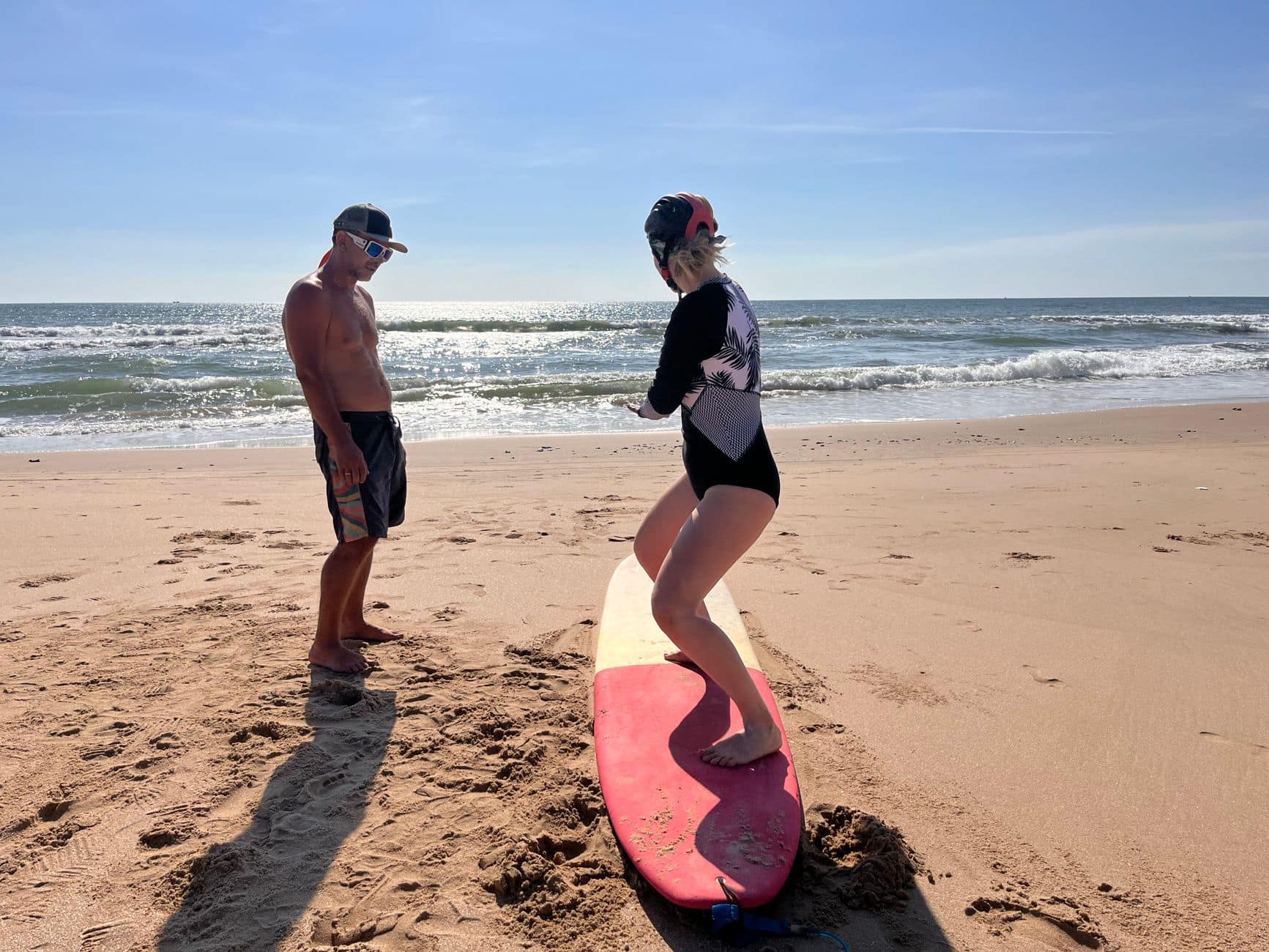
Bali Surf Lesson
Built for people who have never stood on a board. Instructor in the water with you, soft-top and rash guard included, and a wave chosen because it forgives mistakes. The single most useful thing you can book in Canggu.
Open tour page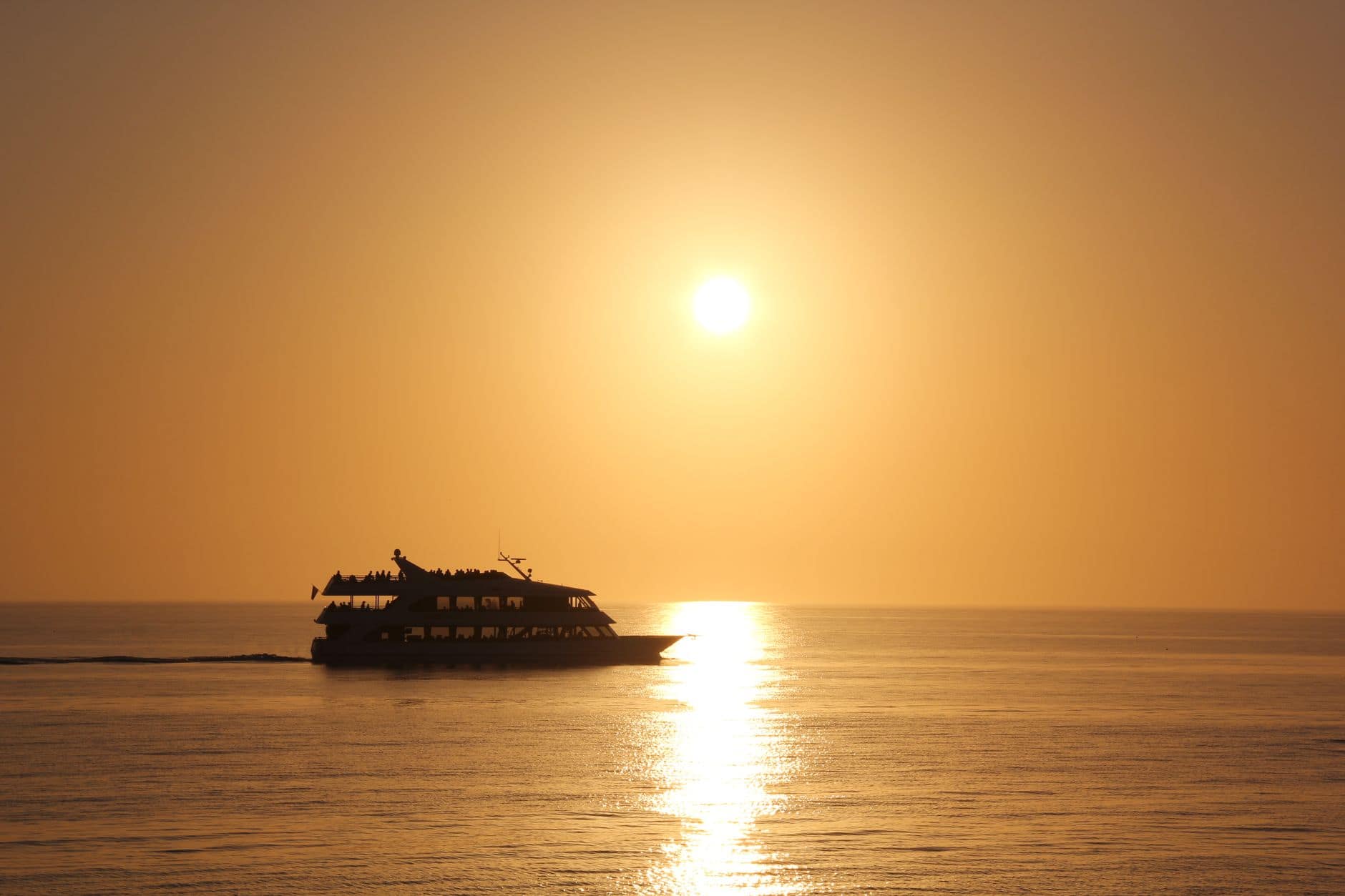
Bali Sunset Cruise
For the evening when you would rather watch the sun go down from open water than queue for a seat on a seawall. Dinner on board, a flat deck and the coastline lit up behind you. Good for couples.
Open tour page
Bali Instagram Highlights Tour
If you came for images and Canggu's grey water is not delivering them, this route puts you at the spots that genuinely photograph well, with a driver who knows what time the light works at each one.
Open tour page