


Top picks from this guide
 #1
#1
Nusa Dua
An offshore reef takes the swell out of the water before it reaches the sand, so the lagoon stays close to flat most days. Groomed white sand, showers, toilets and shade trees along the promenade, with resort restaurants behind. Low tide exposes seagrass flats, so time your swim for mid to high tide.
 #2
#2
Sanur
The reef sits far offshore here, so the water inside is pool-calm and stays shallow a long way out — ideal for small kids, dull for teenagers. A paved path runs the whole beachfront with cafes, toilets and shade every few minutes of walking. At low tide it gets too shallow to swim; mornings are glassy.
 #3
#3
Geger Beach
The south end of the Nusa Dua strip, with the same reef protection but a more local feel — warungs on the sand instead of resort buffets. White sand, gentle entry, sunbeds under trees, and seaweed farmers working the flats at low tide. Weekday mornings are quiet; weekends bring local families, which kids usually enjoy.
 #4
#4
Mengiat Beach
A public stretch inside the Nusa Dua enclave that most tourists walk past. Flat, clear water behind the reef, fine pale sand, sunbeds and casuarina shade, plus toilets a short walk away. The entry is gradual enough for toddlers. It shares Nusa Dua's tide behaviour, so plan around mid tide and go before noon.
 #5
#5
Tanjung Benoa
Flat as a lake behind its reef, which is exactly why every watersports operator on the island is based here. Older kids can try banana boats and parasailing; keep toddlers well clear of the jet-ski lanes. The tidal range is wide, so the beach can look very different at noon than it did at breakfast.
 #6
#6
Blue Lagoon, Padang Bai
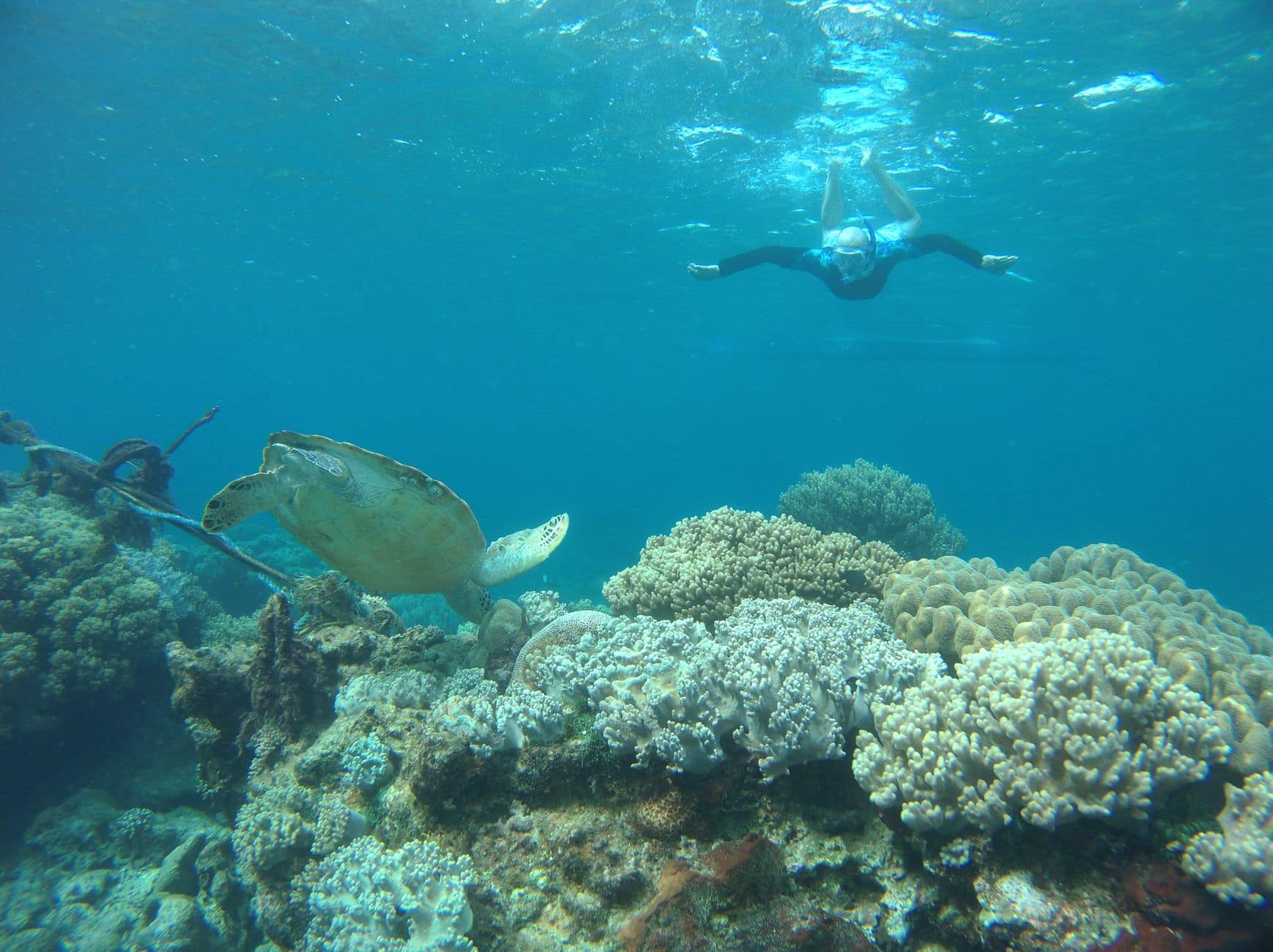
A small sheltered cove on the east coast where fish swim right off the beach — the easiest first snorkel in Bali for a kid in a vest. Mornings are calmest and clearest; afternoons can get chop. Shade and a couple of warungs, nothing more. Guided trips from $50 include masks, vests and a boat crew used to first-timers.
 #7
#7
Gili Meno, lagoon side
The quiet middle island of the three Gilis, with a shallow turquoise lagoon on its western side that stays calm when the boat channels are busy. No cars or scooters on the island, which changes everything with small kids. It's a long day from Bali, so treat it as the trip's highlight, not a casual outing.
Why most of Bali's coast doesn't work for small kids
The west coast — Kuta, Legian, Seminyak, Canggu — takes the full force of the Indian Ocean. That's why surfers fly across the world for it, and why it's the wrong place to let a four-year-old paddle: shore break, rip currents and lifeguard flags that exist for good reason. The calm water lives on the other side of the island. Along the southeast and east coasts, offshore reefs absorb the swell before it reaches the sand, so Nusa Dua, Sanur, Geger and Mengiat stay flat on days when Kuta is closing out. If you're still deciding whether ocean swimming with kids is realistic here at all, start with can you swim in Bali — the honest answer is yes, but only on the right coast.
Tides matter more than which beach you pick
Reef-protected beaches trade waves for tides, and the tide will shape your day more than anything else. At Sanur and across the Nusa Dua strip, low tide pulls the sea a long way out, leaving seagrass flats that are safe but ankle-deep — nothing to swim in. Aim for mid to high tide, and go in the morning before the wind picks up after midday. Check a tide chart the night before and build lunch around the low. The same logic applies at Blue Lagoon in Padang Bai: the cove is sheltered year-round, but it's calmest and clearest early. Water clarity across the island follows the dry season, roughly April to October — the full picture is in the best beaches in Bali with crystal-clear water.
Two smaller things the tide tables won't tell you. The reef flats at Sanur, Nusa Dua and Geger grow seagrass and hide the occasional sea urchin, so water shoes earn their place in the bag — small feet find everything. And after heavy overnight rain, rivers can cloud the shallows near Sanur for a day; the Nusa Dua strip clears faster because nothing much drains onto it. Neither is a reason to skip a beach, just a reason to keep the plan loose.
Match the beach to the kid
Toddlers and first paddles: Nusa Dua or Mengiat — the flattest water on the island, a short walk from car to sand, toilets and showers close by. Cautious swimmers around five to eight: Sanur for its endless knee-deep shallows, or Blue Lagoon with a vest on — the Blue Lagoon snorkeling trip runs from $50 with masks, vests and a crew who spend half their week reassuring first-timers. Confident swimmers: the lagoon side of Gili Meno, glass-clear and shallow, on a Gili island day tour from $115. Mixed ages: Geger — calm water in the middle, warung lunch on the sand, and enough going on that nobody gets bored.
Shade, food, toilets — and getting there without meltdowns
Nusa Dua, Mengiat and Geger have trees behind the sand and sunbed shade; Sanur adds a paved beachfront path that works for strollers, with cafes and toilets every few hundred meters. Blue Lagoon is the most basic of the seven — shade, a couple of warungs, and that's it, so bring what you need. For the driving, the honest advice is to skip taxis: a private car with driver in Bali from $65 per car means the car seat stays put, the driver waits while someone naps, and you can bail to the villa the moment the mood turns. If the family argument is calm water versus pretty sand, the best white sand beaches in Bali settles it — several beaches sit on both lists.
FAQ
Which beach in Bali has no waves at all?
Nusa Dua and Sanur come closest. Both sit behind offshore reefs that break the swell before it reaches the shore, so on a normal day the water inside is flat enough for toddlers. Mengiat and Geger, on the same strip, behave the same way. Nothing is guaranteed at spring high tide or in a storm, but these are as close to wave-free as Bali gets.
Is Kuta Beach safe for young children?
For sandcastles, yes. For swimming, treat it with caution: Kuta has shore break and rip currents, and the lifeguard flags move daily for a reason. Older kids taking a surf lesson in the whitewash are fine under instruction; a toddler paddling unsupervised is not. If the goal is relaxed swimming rather than supervision duty, head east to Sanur or Nusa Dua instead.
What time of day is the sea calmest in Bali?
Morning, almost always. Wind tends to pick up around midday and can put chop on even the protected lagoons by early afternoon. Combine that with the tide: the sweet spot is a mid-to-high tide that falls between about 8 and 11 in the morning. Check a tide chart the evening before — it's the single most useful five minutes of planning you'll do.
Is Blue Lagoon in Padang Bai suitable for kids?
Yes, with a vest and an adult in the water. The bay is small and sheltered, fish are visible right off the beach, and mornings are usually calm. It suits kids who can already float happily; it's not a toddler paddling beach. Guided snorkeling trips from $50 include vests, masks and a boat crew who work with children every week.
Is Gili Meno worth it with children?
If your kids are past the nap-schedule stage, yes. The lagoon side is shallow, clear and calm, and the absence of cars and scooters removes the biggest stress of Indonesian islands with small children. It is a full day with boat crossings, so it suits families who travel well. A private day tour from $115 handles the boats and logistics for you.
Do Nusa Dua and Sanur have toilets, showers and shade?
Yes — they're the two best-equipped beaches on the island for families. Nusa Dua has showers, toilets and shade trees along the resort promenade; Sanur has a paved beachfront path with cafes and facilities the whole way along. Geger and Mengiat are slightly simpler but still have sunbeds, warungs and shade. Blue Lagoon is the most basic: bring your own everything.
When is the best season for calm water in Bali?
The dry season, roughly April to October, brings the clearest and most predictable water on the east and southeast coasts. The reef-protected beaches stay swimmable in the wet season too, but rain can cloud the shallows for a day or two after a downpour. If your dates are fixed in the wet months, just build in a backup morning.
How do we get between these beaches with a car seat?
Hire one car for the day rather than chaining taxis. A private car with an English-speaking driver runs from $65 per car for a full day, the car seat stays installed, and the driver waits while you swim or a child sleeps. Nusa Dua, Mengiat, Geger and Tanjung Benoa are minutes apart, so one relaxed day covers four of the seven beaches on this list.
Recommended Bali tours for this guide
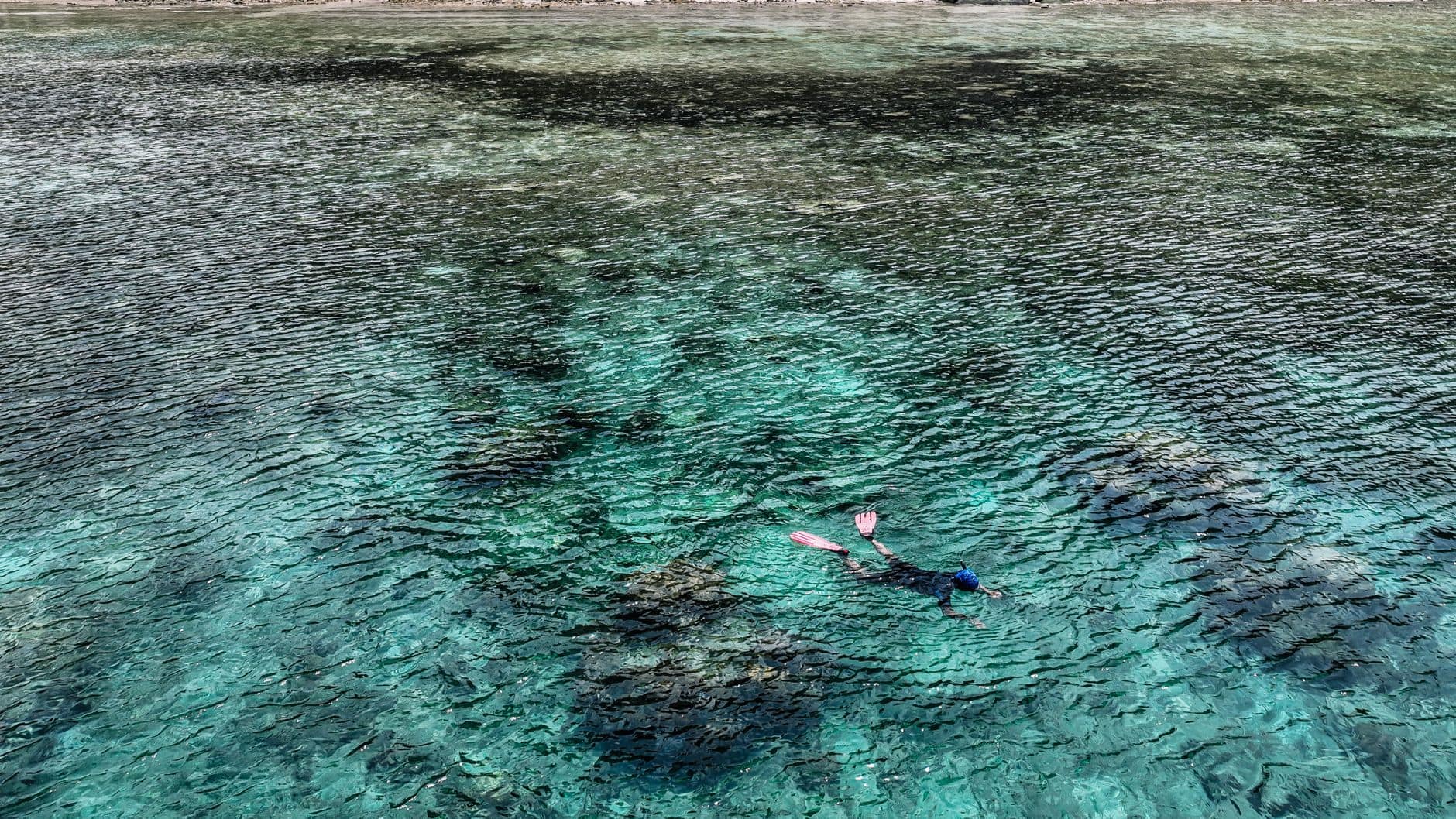
Blue Lagoon Snorkeling, Padang Bai
This is one of the easiest snorkeling products to recommend for beginners and casual sea-day travelers. It gives you underwater visibility, reef-life value, and a cleaner half-day or lighter full-day structure than more demanding offshore routes.
Open tour page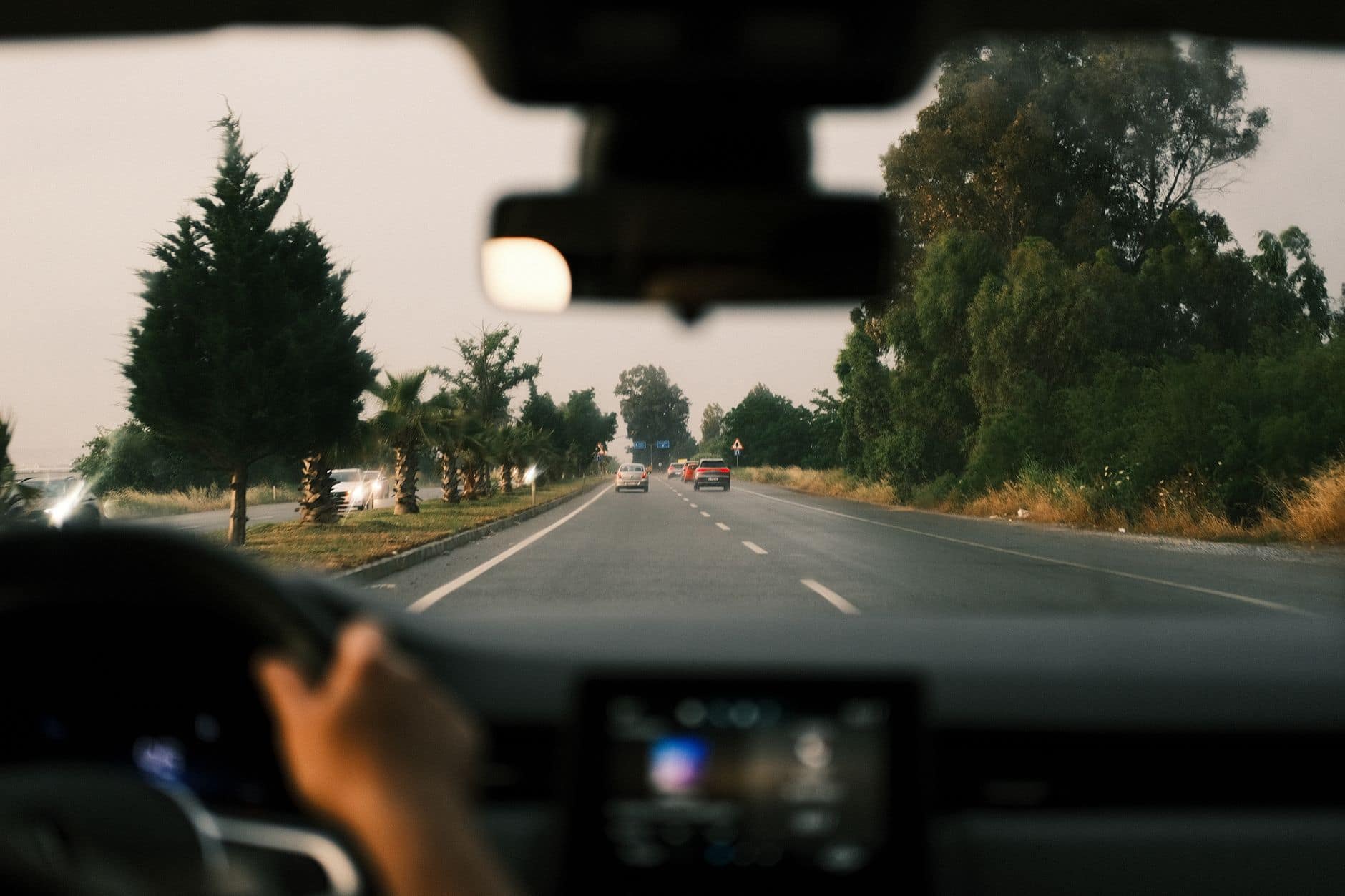
Private Car with Driver in Bali
This is one of the most useful products in Bali because so many plans become easier once transport is flexible. It is perfect for custom sightseeing, shopping days, family pacing, and travelers who already know roughly where they want to go.
Open tour page
Gili Islands Private Snorkeling Day Trip
This route is built for travelers who want turtles, clear water, and a real Gili Islands experience without organizing fast boats, harbor flow, snorkeling logistics, and local coordination on their own. The private snorkeling setup makes the day feel cleaner and more premium than a basic shared island transfer.
Open tour page