


Top picks from this guide
 #1
#1
Nusa Dua
The most dependable white sand on mainland Bali, raked daily along the resort strip, with reef-protected water you can actually swim in at mid to high tide. It's manicured rather than wild, and that's the point: showers, shade, lifeguarded sections and calm water make it the practical pick, not just the pretty one.
 #2
#2
Geger Beach
Same white sand as the resort strip next door, fewer buffets. Warungs serve grilled fish on the beach, sunbeds sit under trees, and the water stays calm behind the reef. Seaweed farming plots appear at low tide — interesting to watch, awkward to swim over. Come at mid tide for the clean white-and-turquoise version.
 #3
#3
Melasti Beach
A road carved down the limestone cliff delivers you straight onto bright white sand and clear water — no stair climb, which is rare on the Bukit. Swimming is usually possible inside the reef at mid tide, and beach clubs have moved in without taking over yet. Ceremonies happen here often; give them space and you're welcome.
 #4
#4
Pandawa Beach
A wide white beach below carved limestone cliffs, reached by road rather than stairs, which makes it one of the easiest Bukit beaches for a family. The water inside the reef is swimmable around mid tide. It's popular with domestic tourists at weekends, so come on a weekday morning if you want the sand to yourself.
 #5
#5
Diamond Beach
Probably the whitest sand within reach of Bali, at the foot of a stairway cut into the cliff face on Nusa Penida's east coast. Wear real shoes, take water, and treat the sea with respect — the shore break here is powerful and the beach is for standing in the shallows, not swimming out.
 #6
#6
Atuh Beach
The next cove along from Diamond Beach, framed by offshore rock formations, with sunbeds and simple warungs at the bottom of its own staircase. The sand is white, the water is turquoise, and swimming is realistic only on calm days around mid to high tide. Combine both coves in one morning — same cliff top.
 #7
#7
Bias Tugel
A small white-sand cove a short walk over the headland from Padang Bai harbour, and one of east Bali's few genuinely white beaches. The middle of the bay is the safe swimming zone; rocks and current sit at the edges. A few warungs, limited shade, and far fewer people than anything on the Bukit.
 #8
#8
Gili Meno
The finest, whitest sand on this list, ringing an island you can walk around in a couple of hours. The west side drops into shallow, glass-clear water with turtles grazing close to shore. No cars, no scooters, no beach clubs shouting over each other — it feels a decade behind Bali, in the best way.
The honest part first: most of Bali's sand is grey
Start with what the brochures skip: the sand along most of the west coast is volcanic — grey at Seminyak, darker at Canggu and Seseh, closer to black the further north you go. It photographs moodily and surfs beautifully, but it isn't white, and no villa listing can change that. The genuinely white sand sits where the geology changes: the limestone Bukit peninsula in the south, the Nusa Dua strip, a few coves in east Bali, and the offshore islands — Nusa Penida and the Gilis — where crushed coral does the work. This list sticks to beaches where the sand is actually white when you're standing on it, not just in an edited photo.
None of this makes the grey coasts a mistake — the surf, the sunsets and most of the island's food scene live there. It just means a white-sand day is a deliberate trip, not a stroll from the villa: a drive south to the Bukit, east to Padang Bai, or a boat across to the islands. The good news is that every beach on this list rewards the effort, and half of them can be strung together in a single day with a driver.
The Bukit and Nusa Dua: white sand you can drive to
Melasti and Pandawa both have roads cut down through the limestone, so you park close to the sand — rare on a peninsula where most beaches demand a stair climb. Nusa Dua and Geger are even easier: flat access, calm reef-protected water, facilities everywhere. Swimming on the Bukit depends on the tide; inside the reef at Melasti and Pandawa, mid tide is usually the window. The efficient way to see them is one loop with a private car with driver from $65 per car — Melasti, Pandawa and Geger sit close together, and your driver will know which one the tide favours that day.
Nusa Penida: the whitest sand, earned on foot
Diamond Beach and Atuh, side by side on Nusa Penida's east coast, have the whitest sand anywhere within reach of Bali — and both make you work for it with long stairways cut into the cliffs. Wear proper footwear, carry water, and be honest about the sea: Diamond's shore break is for wading, not swimming, while Atuh is swimmable only on calm days around higher tides. The Nusa Penida east tour covers both coves plus the Thousand Islands viewpoint in one day with a local driver who knows the stairs and the timing. For the island's full coastline, including the swimmable west, see the best beaches on Nusa Penida.
Which white sand beach fits your day
For actual swimming: Nusa Dua, Geger or Melasti — reef protection plus facilities, best around mid to high tide. For the photo: Diamond Beach and Atuh, no contest; go early before the light flattens and the stairs get busy. For kids: stay on the Nusa Dua strip, where flat water and toilets matter more than drama — the full breakdown is in calm beaches in Bali for kids. For a whole day on white sand: Gili Meno on a Gili island tour from $115, the finest sand of the lot. For water clarity above all: cross-check this list against the best beaches in Bali with crystal-clear water — the overlap is where you want to be.
FAQ
Does Bali actually have white sand beaches?
Yes, but not where most people stay. The west coast — Canggu, Seminyak, Kuta — is volcanic sand, grey to black. The white sand is concentrated in the limestone south: the Nusa Dua strip, Geger, Pandawa and Melasti, plus a few east-coast coves like Bias Tugel. The whitest of all is offshore, on Nusa Penida and Gili Meno.
Why is the sand black in Canggu?
It's volcanic. Bali's rivers carry dark mineral sediment from the island's volcanoes down to the west and north coasts, and the surf grinds it into the grey-black sand you see from Canggu up through Seseh and beyond. It's not pollution and it's not dirt — it's geology. If you want white sand, you have to go where the coastline is built from limestone and coral instead.
Which beach in Bali has the whitest sand?
On the mainland, the Nusa Dua–Geger strip wins. Across the water, Diamond Beach on Nusa Penida and the beaches ringing Gili Meno are a clear step whiter and finer. Of the eight beaches in this guide, Gili Meno takes it overall — coral sand so pale it glows at midday — with Diamond Beach the best single-photo location.
Can you swim at Diamond Beach?
Wade, yes; swim, no. The shore break at Diamond Beach is powerful and the currents behind it are worse, so treat it as a place to stand ankle-deep and take the photo. Atuh, the next cove over, is the swimmable one of the pair — on calm days around mid to high tide. If swimming is the priority, Crystal Bay on the island's west side is the safer bet.
Do the white sand beaches charge entrance fees?
Most have small entrance or parking fees collected at the access road or car park, and the amounts change often enough that any number printed here would go stale. Budget loose change for each stop and you're covered. What you're really paying for is upkeep of the stairs and access roads — Diamond Beach's stairway didn't carve itself.
Is Bias Tugel worth the walk?
If you're in Padang Bai anyway — for a fast boat or the Blue Lagoon — yes. It's a short walk over the headland from the harbour, and you arrive at genuinely white sand with a fraction of the crowds the Bukit beaches draw. Swim in the middle of the bay and stay off the rocky edges. Warungs cover drinks and simple food; shade is limited, so go early.
How do I get to Gili Meno from Bali?
Fast boat from east Bali, or let someone else run the day. Our Gili island tour from $115 covers the crossing and island time in one organized day, and the Gili getaway from $70 suits overnighters. The crossing takes around two hours depending on the boat and the sea, so start early and pack light.
When do these beaches look their best?
Dry season, roughly April to October, for the clearest water and the most reliable turquoise. For photos, the white sand reads brightest under high midday sun, but Diamond Beach and Atuh are better visited early, before tour buses reach the east coast and while the stairways are still cool. In the wet season the sand is just as white — you're gambling on the sky, not the beach.
Recommended Bali tours for this guide
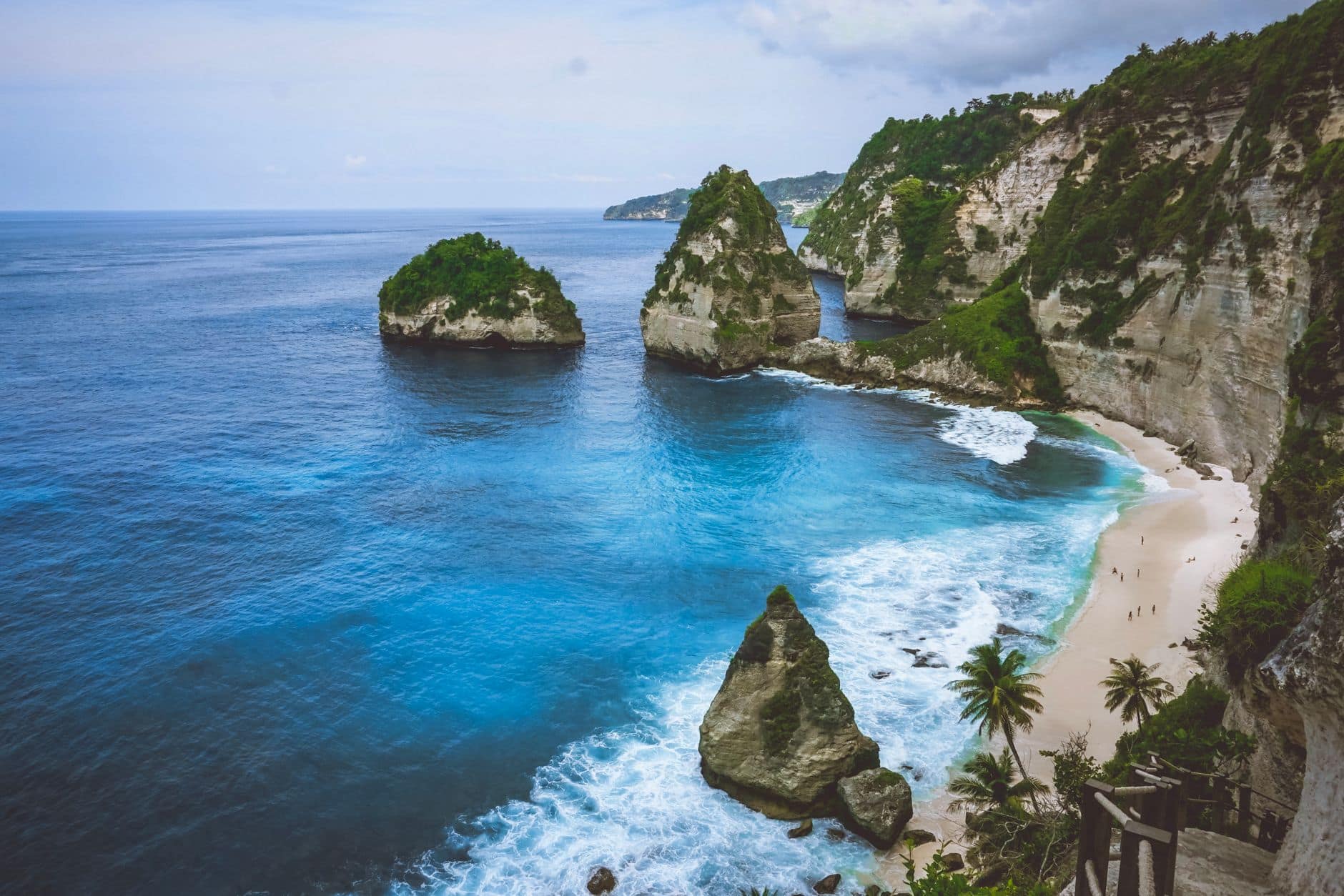
Nusa Penida East Tour
This Nusa Penida East Tour from Bali covers Diamond Beach, Atuh Beach, Molenteng Tree House, Thousand Islands Viewpoint, and Teletubbies Hill. It is the right choice when you want the classic east route with fast boat tickets, island transport, lunch, and entrance fees handled from $75.
Open tour page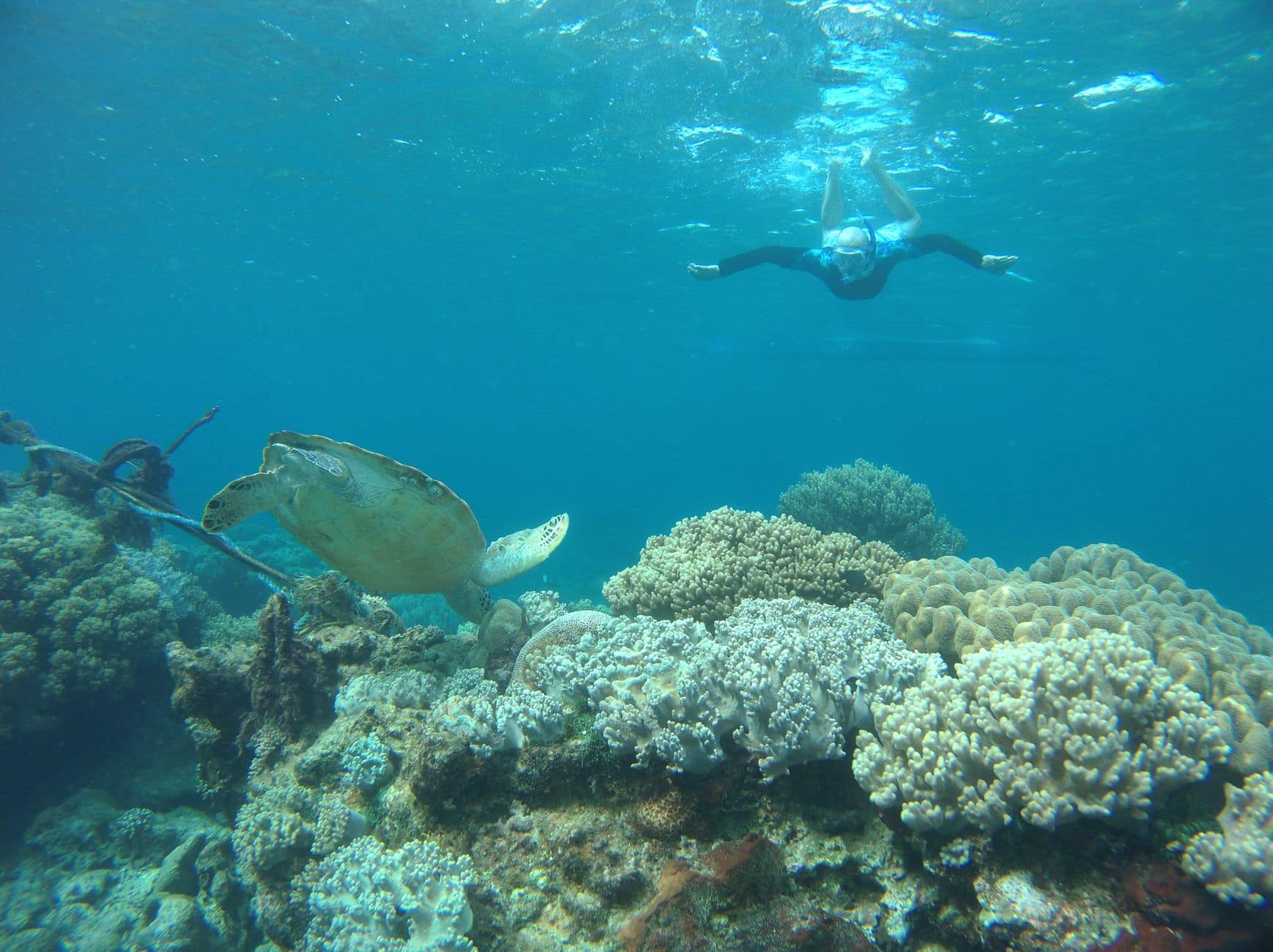
Gili Islands Private Snorkeling Day Trip
This route is built for travelers who want turtles, clear water, and a real Gili Islands experience without organizing fast boats, harbor flow, snorkeling logistics, and local coordination on their own. The private snorkeling setup makes the day feel cleaner and more premium than a basic shared island transfer.
Open tour page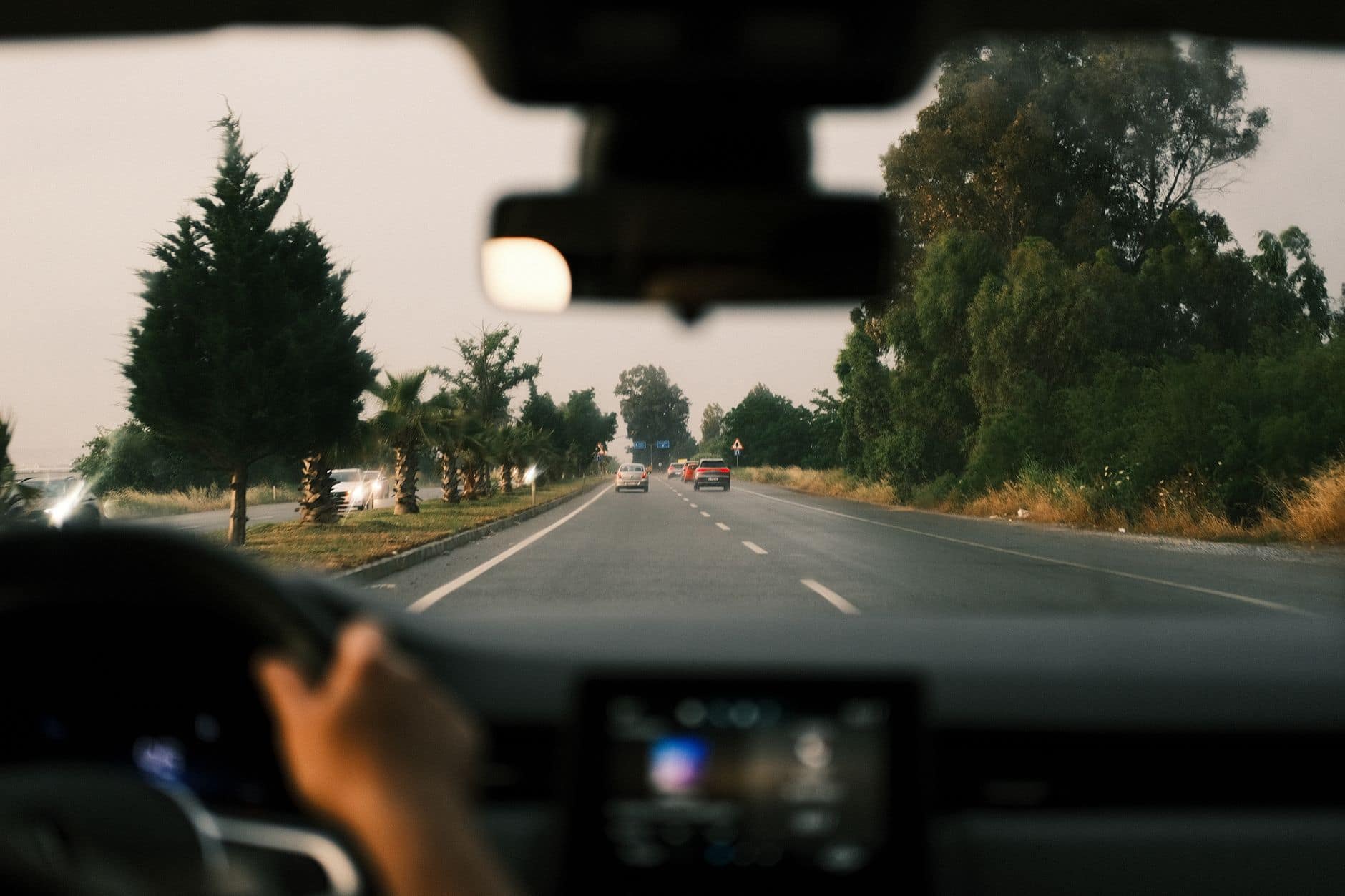
Private Car with Driver in Bali
This is one of the most useful products in Bali because so many plans become easier once transport is flexible. It is perfect for custom sightseeing, shopping days, family pacing, and travelers who already know roughly where they want to go.
Open tour page