


Top picks from this guide
 #1
#1
Jemeluk Bay
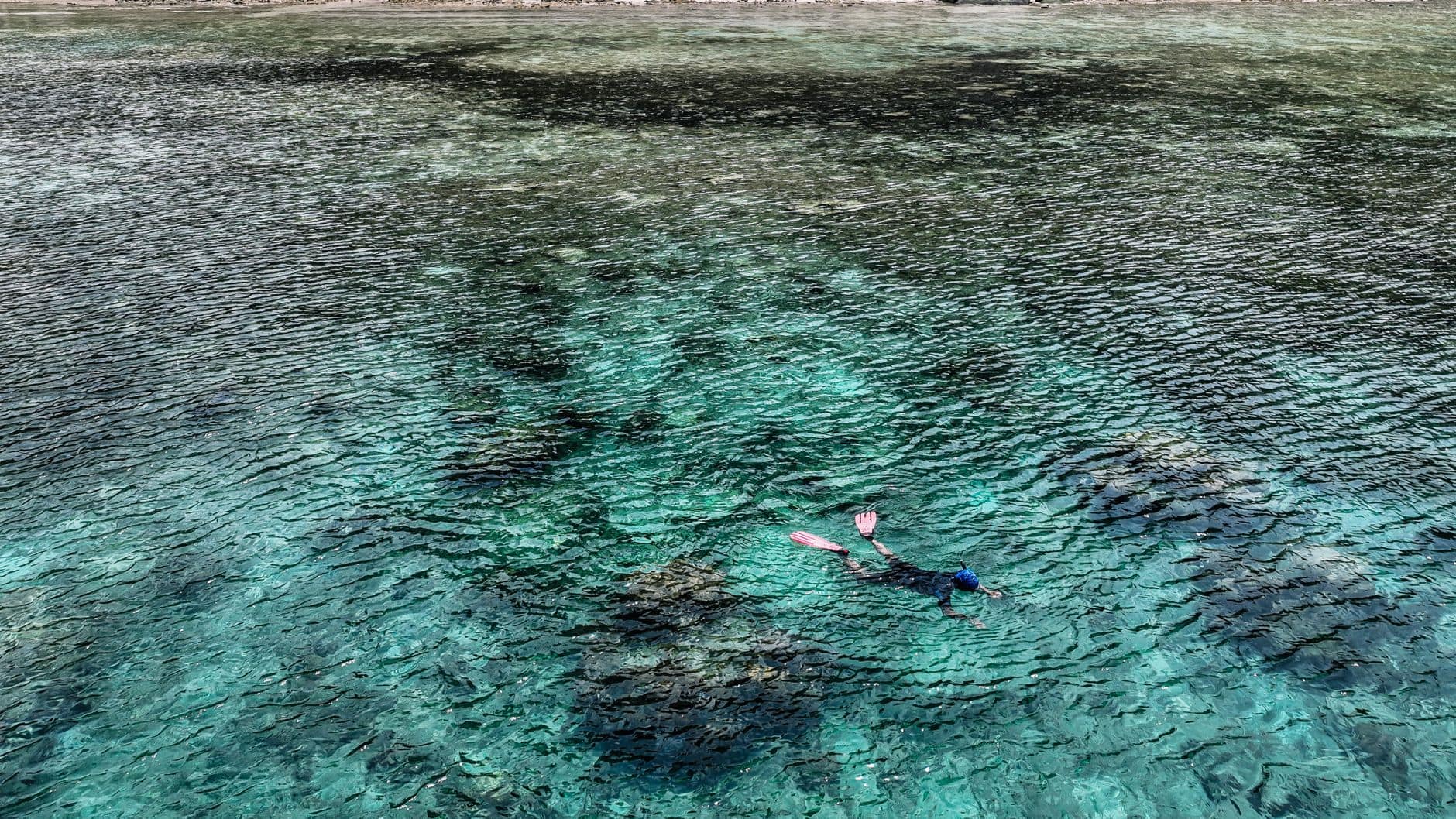
The classic Amed snorkel. A wide black-sand bay with a coral slope that starts close to shore and drops away fast, so you get healthy reef without swimming far. Mornings are calmest and clearest; by afternoon the wind picks up chop. Warungs line the beach, and freedivers train off the buoys at the deep end.
 #2
#2
Japanese Wreck
A small patrol-boat wreck sitting in shallow water a short swim off a pebble beach south of Amed's main strip. It is compact, coral-covered and easy to circle on one breath if you freedive. Because it is so shallow, it works for snorkelers in a way Tulamben's big wreck only partly does. Go early — the site is small and fills up.
 #3
#3
USAT Liberty Wreck
Bali's most famous dive site is also snorkelable: the upper sections of this WWII cargo ship sit shallow enough to see clearly from the surface on a calm day. Entry is over smooth black stones, so bring reef shoes. Divers swarm it mid-morning; snorkel at first light or late afternoon and you will share it with far fewer bubbles.
 #4
#4
Coral Garden
A short walk along the beach from the Liberty, marked by small artificial reef structures and dense anemone patches. It is shallower and calmer than the wreck, which makes it the better second stop of a Tulamben morning. Expect clouds of anthias, clownfish and the occasional resident blacktip reef shark cruising the shallows.
 #5
#5
Tulamben Drop-off
At the other end of Tulamben bay a wall falls away into deep blue, and you can hang above it in flat water watching divers below like an aquarium in reverse. Visibility here is often the best in the bay. It is a longer surface swim than the wreck, so save it for a calm, confident day.
 #6
#6
Lipah Bay
Amed is really a string of villages, and Lipah is the mellow one. The bay is more sheltered than Jemeluk, so it often stays snorkelable in the afternoon when the main beach gets choppy. Coral cover is patchier, but turtles pass through and the crowd is thin. A good pick if you are staying overnight and want a second session.
 #7
#7
Amed Main Beach
The long black-sand strip where the traditional jukung fishing fleet parks. Snorkeling straight off the beach is decent rather than spectacular — scattered coral heads and good fish life around the mooring lines — but sunrise here, with Gunung Agung behind the bay, is the east coast at its best. Stay a night instead of day-tripping if you can.
Why the east coast snorkels differently
Amed and Tulamben sit in the rain shadow of Gunung Agung, on a coastline of black volcanic sand and pebble beaches with no surf to speak of. That combination is what makes the snorkeling work: no waves means no stirred-up sand, and the reef starts within a few fin kicks of shore, so you never need a boat. This is shore snorkeling — you walk in, you swim, you walk out to a coffee. The trade-off is texture underfoot: black stones instead of white powder. If you want a postcard beach, look elsewhere; if you want the healthiest, easiest reef access on mainland Bali, this is it.
The honest cost is the drive
There is no way around it: Amed is roughly three hours from Canggu, Seminyak or Uluwatu, and around two from Ubud. Tulamben adds another twenty minutes up the coast road. Do it as a day trip and you will spend more time in the car than in the water, which is why we push people toward one night in Amed — dawn on this coast is glass-flat and empty. A private car with driver from $65 per car makes the run door to door, and the driver waits while you snorkel.
If three hours sounds like too much, the Blue Lagoon snorkeling trip from $50 gets you into clear east-coast water at Padang Bai in about half the drive, boat and gear included. It is the sensible fallback for anyone based south with only a morning to spare — we compare the two honestly in our Blue Lagoon Padang Bai guide.
Amed or Tulamben: pick by what you want to see
Jemeluk Bay is the all-rounder — the densest easy reef and the best warungs on the sand. The Japanese Wreck at Banyuning is the one to freedive: shallow, compact and coral-covered. The USAT Liberty at Tulamben is the bucket-list item, best snorkelled at first light before the dive groups arrive. Coral Garden and the Drop-off reward a second Tulamben hour once the wreck gets busy. Lipah is the quiet afternoon option when Jemeluk turns choppy. The two villages are only about twenty minutes apart by car, so a one-day loop covering three of these spots is realistic without rushing.
When to go for the clearest water
The dry season, roughly April to October, is the reliable window: calm seas, long visibility, and mornings so still the bays look like pools. Wet-season snorkeling here is far from hopeless — the east coast is drier than the south — but visibility swings harder after rain. Whatever the month, go early: wind chop builds most afternoons and flattens again overnight. We break down the month-by-month picture in when Bali's water is clearest, and if you are still ranking coastlines before committing, start with the island-wide list of beaches with genuinely clear water.
FAQ
Can you snorkel the USAT Liberty wreck without a diving license?
Yes. The wreck lies just off the beach at Tulamben and its shallowest sections sit around five metres below the surface, close enough to see clearly on a calm day. You snorkel straight over it from shore — no boat, no license. Freedivers get the most out of it, but plenty of people just float and look. Go at first light before dive groups cloud the water with bubbles.
How long is the drive from Canggu to Amed?
Plan on about three hours each way, sometimes more with traffic through Denpasar and the coast road. From Ubud it is closer to two hours. That drive is the real cost of Amed — the snorkeling itself is shore entry and effortless once you arrive. If a round trip in one day sounds grim, stay a night; dawn is when this coast is at its best.
Is Amed snorkeling better than Tulamben?
They are different rather than better. Amed has more variety — Jemeluk's coral slope, the shallow Japanese wreck, quiet Lipah — plus beach warungs and places to stay. Tulamben is essentially two world-class sites, the Liberty wreck and its wall, on a stony beach with little else around. Since only about twenty minutes separate them, the honest answer is to do both in one loop.
Do I need a boat or a tour to snorkel in Amed?
No. Every spot in this guide is a shore entry: you walk in off the sand or stones and the reef starts within a short swim. Masks and fins rent from beachside warungs — the price depends on the spot and the season, so agree it before you take the gear. What most visitors actually need is transport, because the east coast is far from everything.
When is the best time of year for Amed and Tulamben?
April to October is the dry-season sweet spot, with the calmest seas and the most reliable visibility. The east coast sits in Gunung Agung's rain shadow, so it stays drier than southern Bali even in the wet months. In any season, snorkel before mid-morning: afternoons bring wind chop that cuts visibility and makes the stony entries less pleasant.
Is the Japanese wreck in Amed good for beginners?
Yes — arguably the most beginner-friendly wreck in Bali. It sits in shallow, usually calm water a short swim from the beach at Banyuning, and you can see the whole structure from the surface. The entry is over pebbles, so bring reef shoes or rental fins that fit well. It is a small site: arrive early, because a handful of groups is enough to crowd it.
Is there a closer alternative to Amed from south Bali?
Blue Lagoon at Padang Bai is the practical one — about half the drive from the Canggu and Seminyak area, with clear water and easy reef. Our Blue Lagoon snorkeling trip runs it from $50 with boat and gear included. Amed still wins on reef quality and the wrecks, but if you have one free morning rather than a full day, Padang Bai is the smarter use of it.
Recommended Bali tours for this guide
Blue Lagoon Snorkeling, Padang Bai
This is one of the easiest snorkeling products to recommend for beginners and casual sea-day travelers. It gives you underwater visibility, reef-life value, and a cleaner half-day or lighter full-day structure than more demanding offshore routes.
Open tour page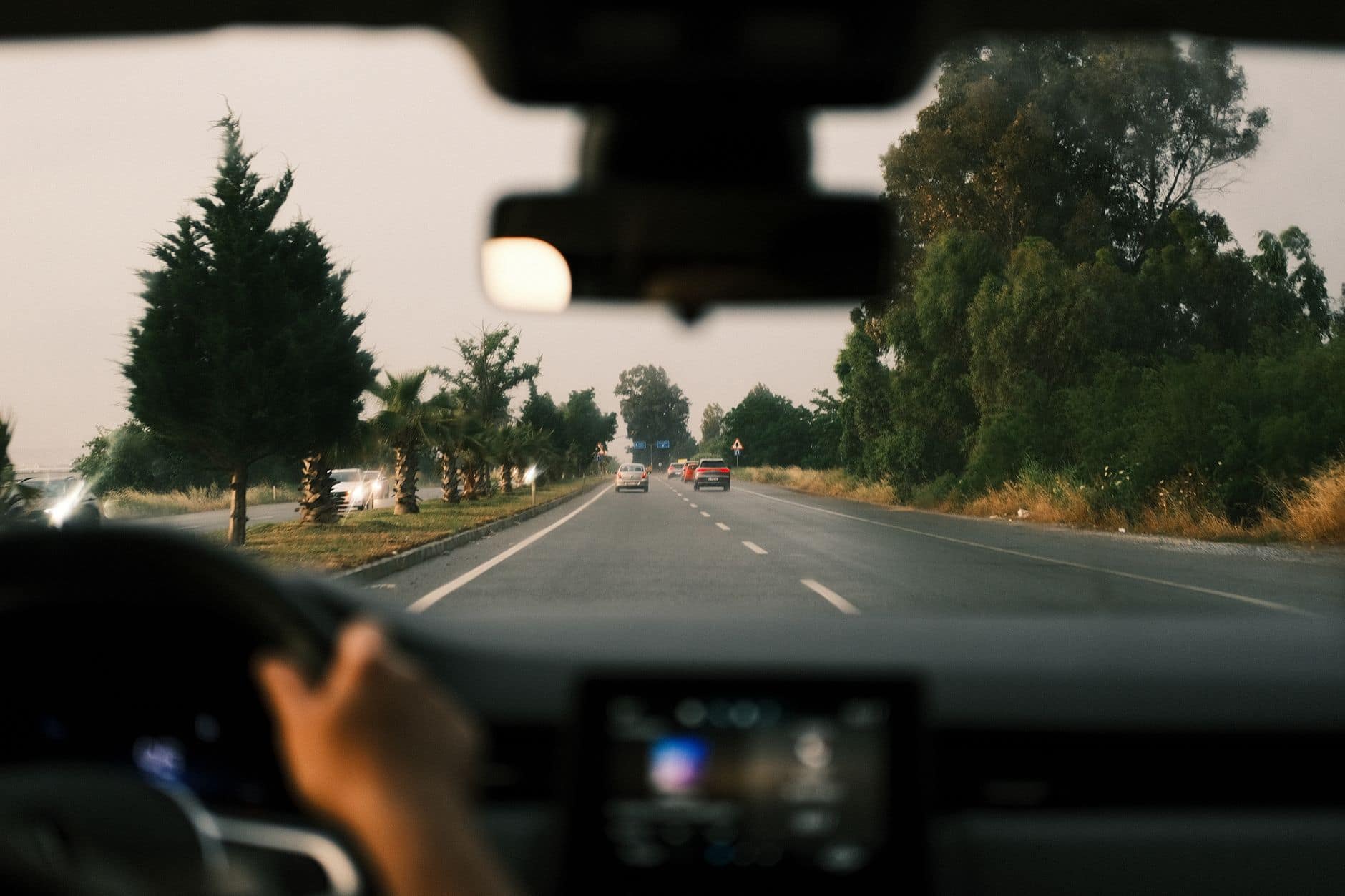
Private Car with Driver in Bali
This is one of the most useful products in Bali because so many plans become easier once transport is flexible. It is perfect for custom sightseeing, shopping days, family pacing, and travelers who already know roughly where they want to go.
Open tour page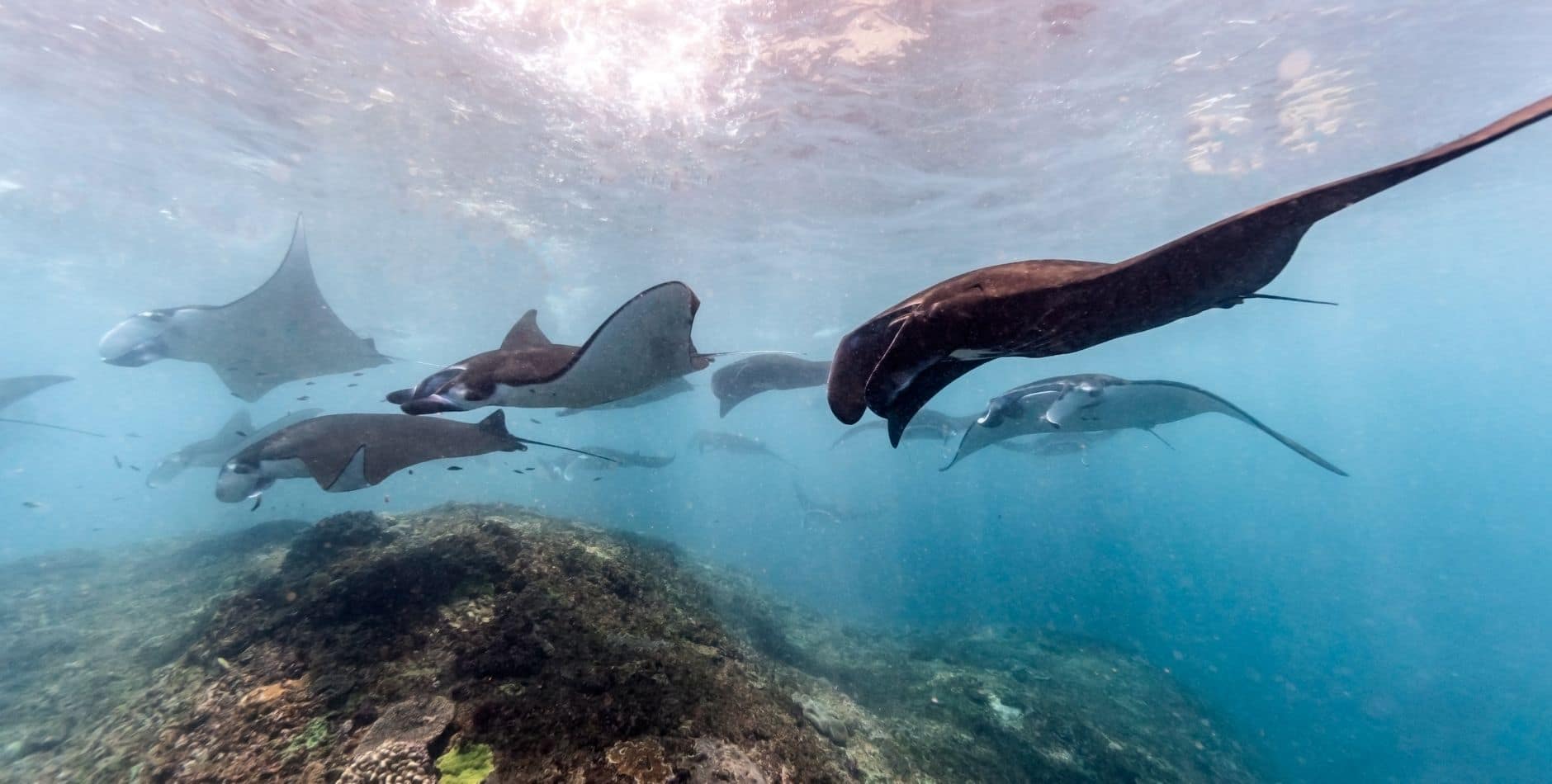
Snorkel with Manta Rays, Nusa Penida
This is one of Bali's strongest sea-day products because the experience starts delivering early and stays visually powerful all day. It works for couples, small groups, and first-time snorkelers who want clear planning and strong photo value.
Open tour page